WPAL Central Command + WPCC Remote Connector
Product Overview
WPAL Central Command + WPCC Remote Connector is a multi-website WordPress management system designed to help administrators coordinate supported operations across multiple WordPress installations from a centralized environment.
Managing a growing network of websites traditionally means repeatedly logging into separate dashboards, navigating different administration panels, and performing the same maintenance or publishing operations site by site. Central Command provides the management side of the system, while the WPCC Remote Connector enables participating WordPress websites to communicate with that centralized environment.
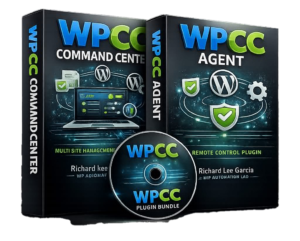
The system is particularly useful for agencies, publishers, local lead-generation businesses, website networks, and administrators managing dozens or even hundreds of WordPress properties. Centralizing supported operations can significantly reduce administrative repetition and provide a clearer operational view of a large website portfolio. Instead of treating each website as an isolated installation that needs individual attention, WPAL Central Command and WPCC Remote Connector provide the foundation for managing a WordPress network as a coordinated business infrastructure.
Key features include: centralized WordPress management, remote site connectivity, Central Command dashboard architecture, WPCC Remote Connector integration, multi-website operations, reduced repeated logins, scalable site-network management, and support for centralized automation workflows.